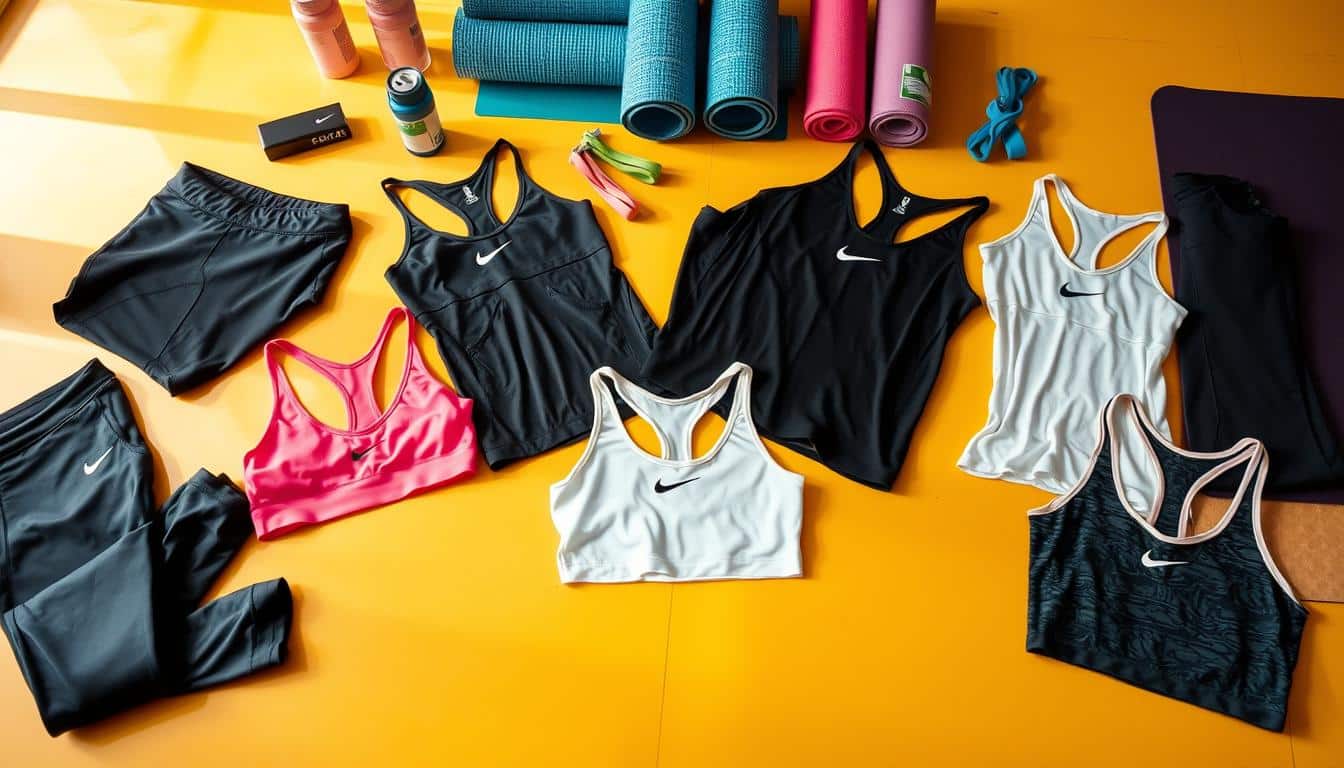
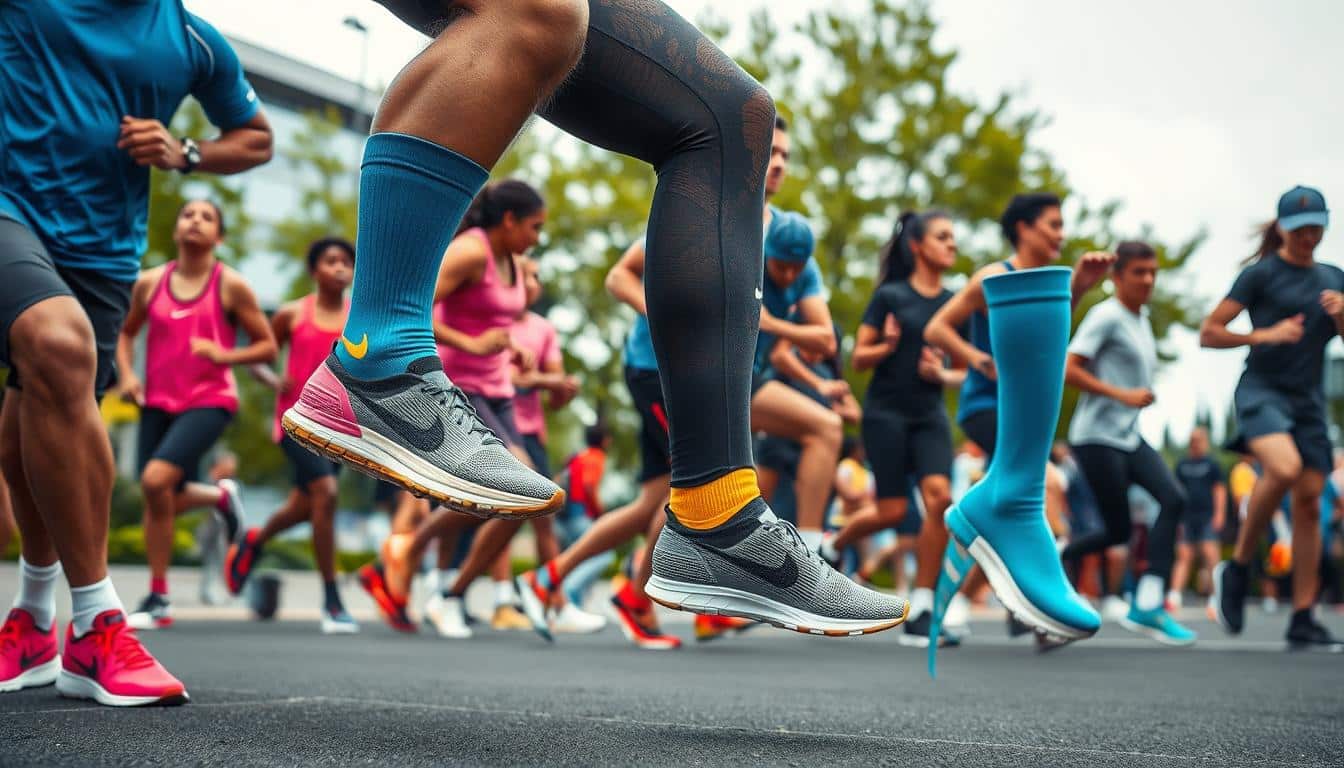
Welcome to the Nike product testing guide. Here, we’ll tell you what this guide does and the benefits you’ll get. We aim to guide you through qualifying, applying, testing, and providing feedback for Nike’s product trials in the U.S.
Anúncios
If you love running, hitting the gym, playing sports, keeping fit, reviewing products, or trying out new gadgets, this guide is for you. By the end, you’ll know how to find real testing opportunities, craft a top-notch Nike tester application, what the testing involves, and how to give useful feedback. This feedback helps improve Nike’s designs and performance.
This article has five main parts: an introduction, a section on Nike product testing and its importance, steps on how to qualify and apply, what testing involves and how to report your findings, and a quick wrap-up. Each section provides practical advice, examples of logs and photos, and how to get support during the Nike testing process.
Anúncios
You’ll find easy-to-follow tips on testing Nike products and advice on making a successful application for Nike product testing. Get ready to experience innovation with Nike Product Testing: Official Application Guide. Discover how to test the latest products and contribute to Nike’s future.
Key Takeaways
- This guide teaches you how to apply for Nike product testing and what the Nike testing program requires.
- Target readers include runners, athletes, reviewers, and tech-savvy early adopters in the U.S.
- You will learn where to find genuine opportunities and how to submit a strong Nike tester application.
- The article lays out testing steps: onboarding, wear schedules, logging, and feedback best practices for how to test Nike gear.
- Later sections provide checklists, photo tips, and sample activity logs to improve application and testing success.
Nike Product Testing: Official Application Guide
Nike starts its product testing with a goal. They want athletes and regular users to try items that aren’t out yet. By doing this, they evaluate the fit, comfort, durability, and how it does in real situations. This helps Nike make sure their ideas work well, fix any issues, and meet athlete needs before many people use them.
What product testing is and why it matters
Product testing makes prototypes and early items part of daily life. Testers use them, note their experiences, and give feedback. This feedback lets Nike make items better by improving cushioning, where seams are, and what materials are used.
At the Nike Sport Research Lab, many experts rely on what testers say. They do this to avoid big mistakes and to bring new ideas faster. Using feedback, Nike tells real stories and gains data. This helps market their items and builds trust with users.
Types of product tests Nike runs
Nike tests many things including shoes, clothes, accessories, and tech. When testing shoes, they look at how well they cushion, grab the ground, fit, and last. They check roads, tracks, and courts.
For clothes, they see how well they breathe, handle sweat, stretch, and fit together. They also test accessories like socks and bags for comfort and how long they last. Tech items like smartwatches are checked for how well they connect, their sensor accuracy, battery life, and the app.
Nike does experiments with new materials and checks items before making lots of them. Testers compare these to what you can buy now to see what’s different.
Nike Voice of the Athlete Program
How product testers influence design, performance, and sustainability
Testers help make the final product better by using it a lot and sharing what they notice. They might suggest changes to the sole, top part of the shoe, or how it closes. This is based on real activities.
Testing makes sure products do well outside the lab. Running, gym training, and playing sports show problems you might not see in tests. This helps make things that really work.
Nike also tests for sustainability. Testers look at recycled materials, how items handle washing, and if they last long. Their findings help Nike work towards their Move to Zero goals. It shows which materials are good and which need work.
How to qualify and apply for Nike product testing opportunities
To get invited to test Nike gear, you need to meet their basic requirements and fit the right profile. Make sure to read the requirements, update your account, and be ready to share honest data about your activities. Giving clear, accurate information will boost your chances of qualifying for Nike testing.
Eligibility criteria: age, location, activity level, and device requirements
Most of the time, you need to be 18 or older and live in certain areas to participate. In the U.S., a valid shipping address is crucial. Nike is on the lookout for athletes in various sports like running, basketball, and gym workouts.
Nike might ask about things like how much you run each week, your training habits, your shoe size, and your background. For tech tests, you’ll need a smartphone with Bluetooth and the willingness to download apps like Nike Run Club. You’ll also need to be okay with signing waivers and confidentiality agreements.
Where to find legitimate Nike testing calls and application portals
Check out Nike’s official channels, like their account dashboards, research pages, and email invites. Follow Nike on social media and join their clubs for updates on local testing opportunities. Sometimes, Nike stores and innovation centers also share testing chances.
Be cautious of third-party offers that ask for money or too much personal info too soon. Always make sure email offers are from Nike before responding.
Step-by-step application process: profiles, surveys, and sample submissions
Update your Nike account with your correct shipping address, shoe size, and activities. Fill out surveys honestly, talking about your training, any injuries, and when you’re available.
Send in photos or videos that show how you move or what your feet look like. Some tests might even ask for running data from an app or a quick phone call. Always read any NDAs or consent forms carefully before you agree.
Tips to improve your application success rate (photographs, activity logs, and concise answers)
Make sure your photos are clear and well-lit. Sharing data from apps like Nike Run Club can show your dedication. Being honest is key to making your application stand out to Nike.
When answering questions, keep your replies short and to the point. Mention any past testing, coaching, or review experience you might have. Always respond quickly to any follow-up to keep your application in the running and increase your chances of being selected for Nike product tests.
What to expect during the testing process and how to submit useful feedback
When you join a Nike testing program, the process is straightforward. You’ll get precise instructions with your shipments. These include wear schedules and how to contact us. It’s important to follow these steps carefully to provide valuable feedback.
Onboarding and receiving test products: shipping, sizing, and initial checks
Test packages come clearly marked and include everything you need for return. Make sure to track your delivery and confirm when you get it. This helps keep everything in order right from the start.
First, see if the size matches what you usually wear in Nike gear. Then, take pictures of the packaging and product to compare later. Use the checklist provided to spot any issues or special marks on the prototype.
Testing protocols: wear schedules, activity tracking, and environmental conditions
There are specific schedules for wearing the test products, like certain weeks or mileage goals. Also, follow any advice about rest days or other types of training. This ensures the data collected is accurate and safe.
Log your activities using the recommended apps or devices. Note details such as how far you went, your speed, and heart rate. Try to use the product in different conditions like rain or on different surfaces to see how it performs.
Recording results: photos, videos, performance metrics, and journaling best practices
Keep a record of how the product wears over time with photos and videos. Focus on areas like the sole and seams. Also, take pictures of where you’re using the product, like a treadmill or a trail.
Save your workout data and write down your thoughts on how the product feels. Mention anything that stands out, like if it’s comfortable or makes noise. Organize your notes and photos by date and what you were doing to make it easy to share with Nike.
Writing effective feedback: clear observations, comparative notes, and constructive suggestions
Your feedback should start with a quick overall review. Then list what you liked, any problems, and how you think the product could be better. Be clear about any issues, like if something feels off after running a certain distance. It helps to compare it to other Nike products when you can.
Remember to include photos and data with your feedback, following Nike’s format. Always be honest, while respecting any rules about what you can share. Good feedback helps Nike improve their products faster.
Handling issues: product defects, safety concerns, and support channels
If you notice any defects, take notes and pictures right away. Then, report these issues using the provided contact details. Keep a record of any communications in case you need to return the product. Fast action helps solve problems quickly.
Stop using the product if it hurts you or seems unsafe, and tell the test coordinator immediately. Always follow any medical advice you get. If the issue isn’t fixed, contact Nike’s customer service with the information from your onboarding packet, but keep the test manager updated.
Conclusion
This guide showed you how to end the Nike product testing guide. You learned about product testing and the types of tests for shoes, clothes, gear, and tech. You also learned how your testing can help with design and making products last longer. The part about applying told you who can apply, where to look for testing opportunities, and how to make your application stand out with pictures and logs of your activities.
For your next steps, make sure your Nike.com profile is up to date and sign up for emails. Keep an eye on Nike Run Club, Nike Training Club, and Nike’s social media for updates. Get your application ready ahead of time. This means having clear photos, up-to-date activity logs, and notes on any devices you use. This way, you’re ready to apply for testing as soon as you find a good opportunity.
Always be honest when you apply. Use clear photos and specific details when documenting your test. And always put your safety first. Giving feedback that’s on time and detailed helps Nike improve their products and make them more sustainable. Look at testing as a chance to try the latest gear and influence what Nike makes in the future. Make sure to regularly check Nike’s official channels and apply when you find a match.