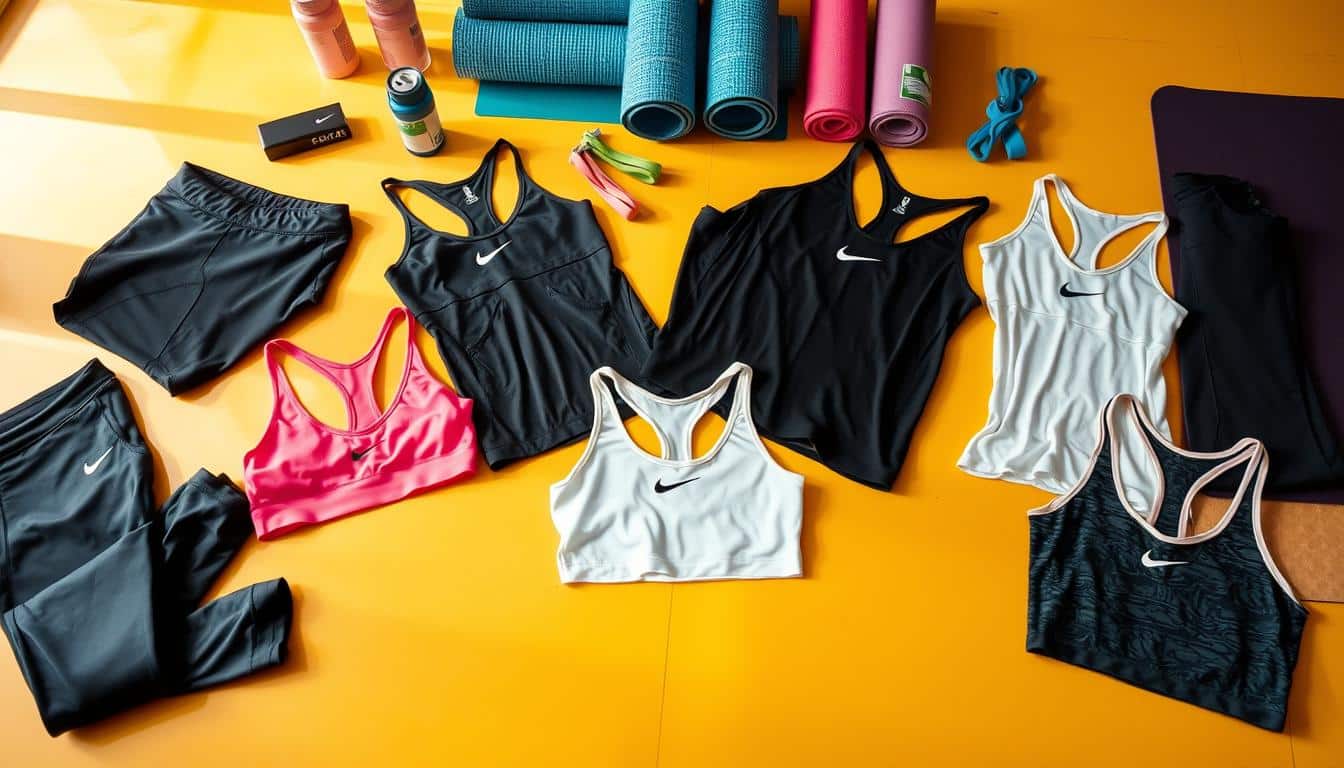
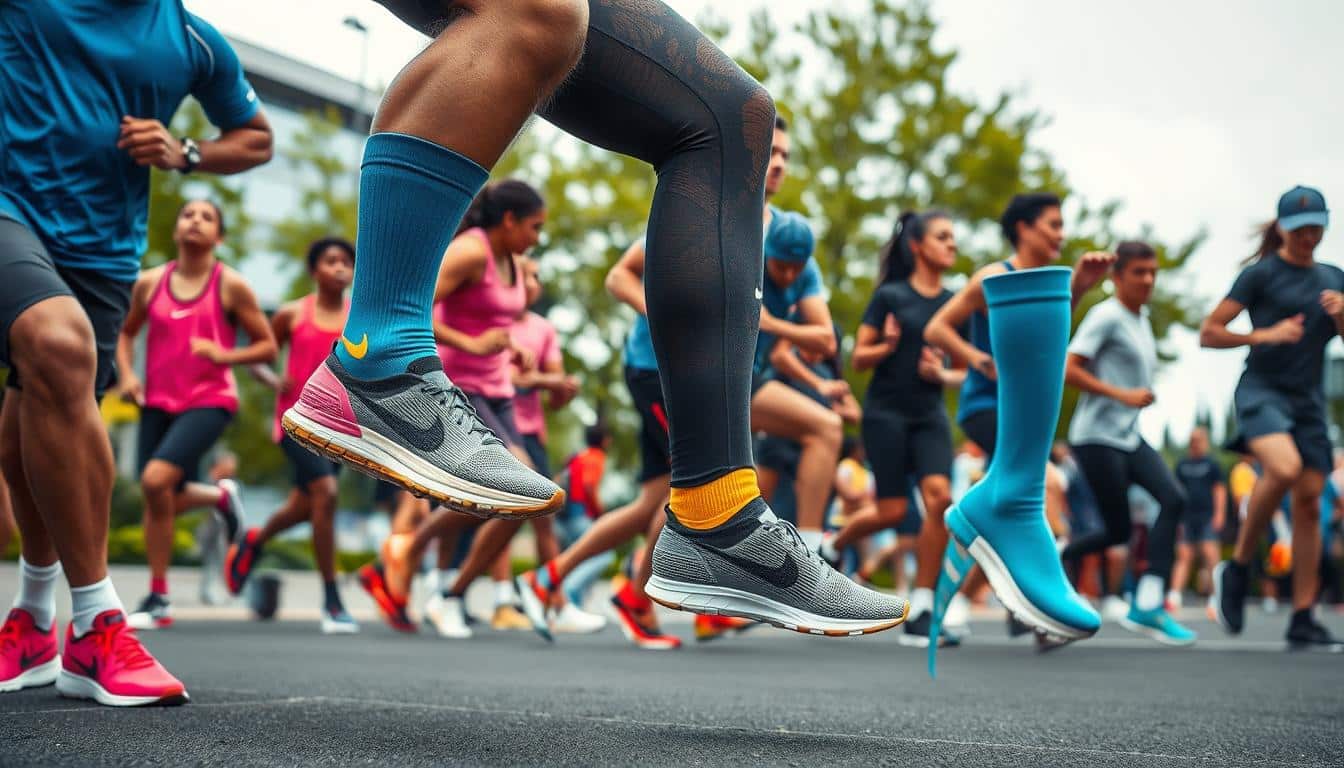
Want to try Nike gear before anyone else? This guide shows how to get chosen for testing Nike products. It’s for U.S. runners, basketball players, trainers, coaches, outdoor athletes, sneaker enthusiasts, and reviewers. Follow these steps to better your odds of getting picked.
Nike tests its products to check their fit, comfort, durability, and performance. The testing helps improve things like cushioning and breathability. By giving feedback, testers shape the final products and might get special opportunities, such as becoming a brand ambassador or getting invites to events.
Anúncios
This article tells you about Nike’s test programs in the U.S., how to fill out a good application for product testing, and tips for the best chance of getting selected. You’ll need to follow eligibility criteria, create a detailed profile, show how you use products, and act professionally during tests.
Testers get to use products early, are expected to give useful feedback on time, and might have to consider tax implications when receiving products as compensation. While Nike runs tests worldwide, this guide focuses on the U.S. program and what American applicants should do.
Anúncios
Key Takeaways
- Understand the Nike tester program goals: improve products through user feedback.
- Prepare a complete, honest profile to strengthen your Nike product testing application.
- Show real activity and evidence—photos, videos, and performance notes help.
- Expect structured timelines: application windows, selection notices, and testing periods.
- Professional, timely feedback boosts future selection chances in the Nike test program USA.
Nike Voice of the Athlete Program
How to Get Selected for Nike Product Testing
To get picked for Nike’s testing, you need to understand their setup and what they’re looking for. We’ll cover the different test types, who can apply, what reviewers look for, and when you’ll hear back if you’re in the U.S.
Understand Nike’s product testing programs and who they target
Nike offers tests for shoes, clothes, and even app features through platforms like Nike Run Club. They look for a wide range of people, from pro athletes to everyday joggers. It’s key to know what each program wants so you can fit right in.
Typical eligibility requirements and geographic considerations (United States focus)
For U.S. tests, you must live in the U.S. and be at least 18. Some tests are off-limits in certain states due to legal reasons. You’ll need to agree to certain rules and share some personal info before getting products.
What Nike looks for in testers: demographics, activity level, and feedback quality
Nike values testers from all walks of life who are active and know their shoe size well. Good feedback includes details like how often you run, and changes in your heart rate. Photos of how the gear wears over time also help.
Realistic timelines: application windows, selection notification, and testing periods
Applications can shut quickly, sometimes in days. If you’re picked, you’ll hear via email a few weeks later. Test lengths can be short or stretch over months. Be ready to follow instructions for returning products or handling data at the end.
- Tip: Keep a smartphone and wearable synced for apps like Strava or Apple Health to meet device requirements.
- Tip: Sign up for Nike member emails and follow Nike Run Club for early alerts about new trials.
Preparing a Standout Application and Profile for Nike Product Testing
Begin by ensuring your Nike or associate account is fully detailed and precise. Include contact info, address, shoe size, main sport, weekly training, the type of ground you train on, and favorite shoe models. When your profile is complete, it stands out in searches. This gives you a better chance to be chosen for Nike testing.
Optimizing your account: profile completeness and accuracy
Update all sections and keep your info fresh. Note your demographic details, level of training, and if you use special gear like orthotics. When your profile has these specifics, it’s easier for you to match Nike’s testing needs precisely.
Highlighting relevant activity: sports, training habits, and product use
Share your training routine, race history, and how much you run each week. If you run, include details about your workout types. For court sports, mention how often you play, your role, and the surface type. Discuss the Nike models you use and your experience with them. Such details help Nike choose the right testers.
Gathering evidence: photos, videos, and performance metrics that improve credibility
Have photos ready showing how your shoes wear down and your foot shape. Make videos that display how you move in your sport. Also, include data from apps like Strava or Garmin, showing your runs, pace, and heart rate. Presenting these types of evidence can strengthen your case for becoming a tester.
Crafting clear, concise responses to application questions
When answering questions, be direct and use details like miles per week, race times, or pace. Highlight any experience you have with surveys or reviews to show you’re reliable. Keep your answers brief, focusing on your actions and observations.
Leveraging social proof: connecting social accounts and community involvement
Link to your Instagram, Strava, or YouTube if they showcase your training. Talking about involvement in clubs, volunteering, or event organizing shows you’re active in your community. Ensure your public posts are relevant before linking them. A solid online presence can give you an edge in the selection process.
Tips to Improve Your Chances and Succeed During the Testing Process
Getting picked is just the start. Use clear habits and keep communicating to make the testing easy for you and helpful for Nike. Doing this raises your trust level and gets you more testing opportunities.
Engaging proactively
Answer fast to selection emails and follow onboarding steps. Remember to do surveys, send photos and videos, and check-in as scheduled. Always use the app, email, or portal Nike prefers so you don’t miss any messages.
Providing actionable, high-quality feedback
Make your reports easy for engineers to use. Begin with the basics: what you were doing, where, and how far you went. Mention any problems, how often they happen, and suggest a fix. Make sure to include specific details like how fast you were going and pictures of where the gear wore out.
Use real examples when you can. For instance: “Inner ankle rub starts after six miles of tempo runs on pavement; it’s right at the seam on the side; maybe add padding or change the shape of the seam.” Details like this help the team understand and fix the issue.
Maintaining tester reputation
Always meet your deadlines, follow the testing rules, and treat each test as if it was your job. Stick to the secrecy rules and send back prototypes as told. If something gets lost, report it right away and be careful when sending items back.
Being reliable is key. Finish all your tasks and the final review on time to keep testing in the future. Recruiters notice who is dependable, so doing well means you might get asked back.
Continuing engagement
Be active in the Nike community to get noticed. Go to Nike Run Club meets, workshops at stores, and local events. Offer to lead a run or a training session to show you’re committed.
Record your past tests and feedback to use in your next application. Staying involved over time could get you early access to products, invites to workshops, or even a role as a Nike community ambassador.
- Nike testing tips: set reminders, document mileage, use clear formats.
- How to give feedback to Nike: be specific, include objective data, add photos or video.
- Nike tester best practices: meet deadlines, honor NDAs, respond to follow-ups.
- Maintain tester reputation: stay consistent, professional, and helpful.
- Nike community engagement: join events, lead runs, and stay visible in apps.
Conclusion
To get picked for Nike testing, first learn about the program types and who can join. Make sure your Nike account is up-to-date. Include details about your workouts and what gear you use. Also, add photos, videos, and data to show how you really use the products.
Keep your answers short and true when you ask to test Nike gear. Link to your Strava or Instagram if they show your workouts. Doing this makes it easier for Nike to check your experience. They can also see how good your feedback is before they pick you.
Getting selected is hard because many people apply, and Nike’s needs change. If you get selected, always communicate on time. Make sure to follow the rules for reporting. Also, keep detailed records of how much you use the gear. This makes you a valuable tester and increases your chances for more opportunities.
Some final tips: know the age and where you need to live to apply. Be ready to agree to NDAs. Make sure you can handle the tech or reporting needs. Apply as soon as you can, keep your profile up to date. Also, stay active in Nike communities. This helps you end the Nike product trial process well.